
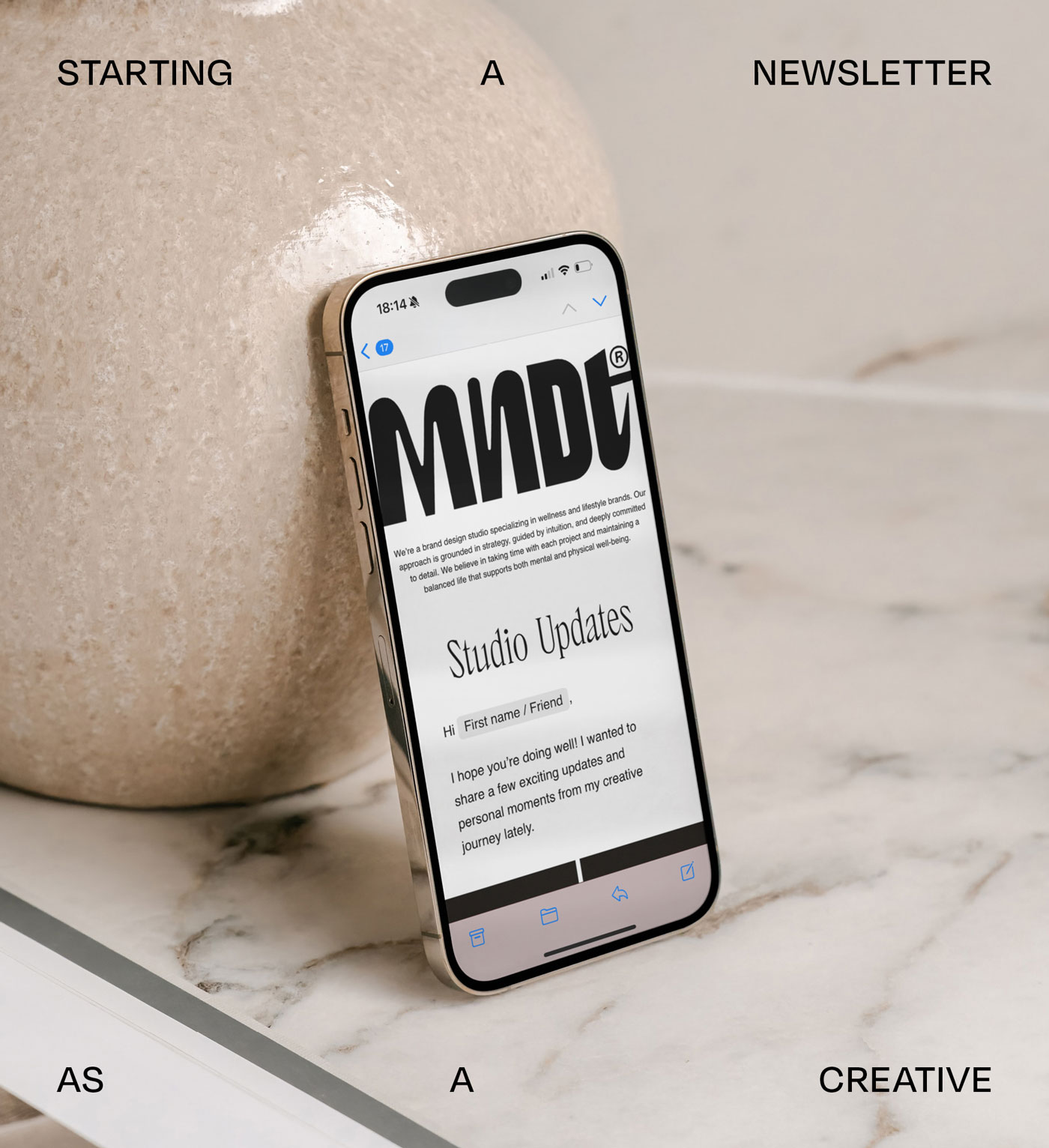
Starting a Newsletter as a Creative
Lessons from 7 Years of Writing One
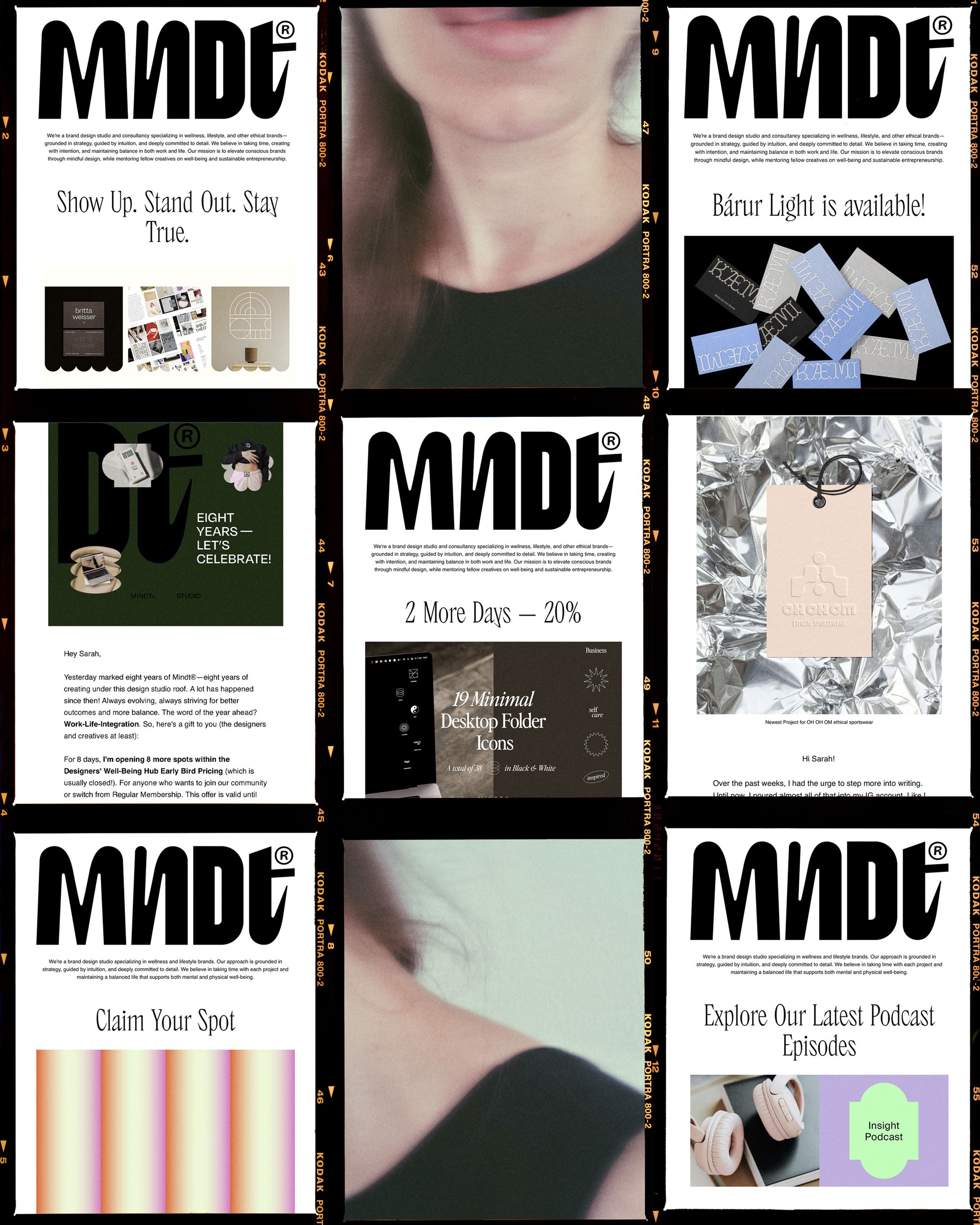
I’ve been running our newsletter, the Mindt® Letters, since 2019. Over the years, it has quietly become one of the most constant elements of our work, outlasting platforms, trends, and many experiments along the way.
Newsletters aren’t flashy. They don’t come with instant dopamine hits or viral moments. And maybe that’s exactly why many creatives and entrepreneurs hesitate to start one.
Looking back on seven years of writing, experimenting, stopping, restarting, and recalibrating, I wanted to share what I’ve learned. Practically, emotionally, and creatively.
This won’t be a guide on how to grow fast. Rather, it’s a reflection on how to grow sustainably. These are my most honest newsletter lessons learned.
1. Choosing a Newsletter Platform as a Creative
Choosing the right platform matters more than I expected.
I started with Mailchimp, which—personally—felt exhausting. In 2021, I switched to Flodesk, and it was an enormous relief. The visual environment felt calmer, more intuitive, and better aligned with how I work.
In late 2024, I also introduced Substack. At first, this added a layer of confusion. Managing subscribers across platforms quickly became overwhelming. Eventually, I stopped trying to force everything into one system. Now, I treat them as two distinct channels:
- Flodesk is my classic newsletter: updates, news, and marketing my offerings. I also use it for waitlists and automations.
- Substack is a slower space for in-depth thought leadership essays—shared only when I genuinely feel like writing them. With the bonus of interactive features.
This separation brought clarity and ease. That said, depending on your business model, especially for e-commerce or larger teams, other platforms might make more sense entirely.
2. Segmentation
Start Early, but Stay Simple
If I could give my past self one piece of advice, it would be this: start segmenting early, but don’t overdo it.
I wish I had asked subscribers from the beginning whether they were:
- Potential clients
- Fellow designers
- Or simply interested readers
Instead, I now have a beautifully messy puddle of subscribers, with very little insight into what each person is actually interested in: designer-specific topics, branding processes, or booking-related information.
Trying to collect this information later proved difficult. People are busy. And honestly? They’re lazy (not judging). Asking them to click buttons or update preferences rarely works.
Also, it’s very worth collecting a first name. Being able to address people personally makes a huge difference, both energetically and relationally.
3. Being One of the Few
( Especially as a Creative )
There still aren’t that many designers and creatives—especially in the DACH region—who consistently send newsletters. That’s an opportunity.
A newsletter doesn’t have to be loud or big to be effective. Simply showing up in someone’s inbox, in your own voice, already sets you apart.
4. Newsletter Growth for Creatives
( And Why Slow Is OK )
In 2019, I started with 21 subscribers. Not impressive, but it was a beginning.
I see newsletters as a trial phase in the early days: a space to experiment, connect, and build trust with a very small group of people who genuinely care.
Over time, your list will grow, but: so will the number of unsubscribes. That part never feels great. Being notified every time someone leaves can sting. But it’s also healthy. It means the people who stay are truly interested.
In addition to that, I’ve learned not to be afraid of cleaning up my list. Most platforms offer insights into inactive subscribers, and removing them can actually improve your statistics and clarity. I recently did a cleanse and removed a significant number of people. It felt surprisingly good.
Today (it’s the beginning of 2026), I have just over 400 subscribers.
Considering how long I’ve been doing this, that might sound very small. But these email addresses belong to me, not to a social media platform. And when I send a letter, it lands directly in someone’s inbox. That alone makes it worth it.
For me, newsletters became a gentle form of email marketing for creatives. One that prioritizes relationship over reach.
5. How Often Should Creatives Send a Newsletter?
Consistency is important, but it doesn’t mean weekly emails. Looking back, I usually sent one to two newsletters per month. That was enough to:
- Stay present
- Show care
- Remind people I’m here
I regularly hear from readers that they genuinely enjoy my letters, and that they’re among the very few newsletters they truly read.
I stopped pressuring myself to do more. Life is full, especially as a one-woman show. And newsletters should never feel spammy. Neither for the reader nor the writer.
Your rhythm is allowed to change. You’re allowed to adjust your priorities.
6. Multiple Passions, One Inbox
Having multiple interests can complicate newsletters.
At one point, I had separate segments and even sender addresses for yoga, essential oils, and design. (Side note: That’s because I had a studio for both yoga and design—multi passionate!) Today, I mainly send design-related content, expanded to include creative well-being and whatever currently inspires or matters to me.
Sometimes I include older segments. Sometimes I exclude them. There’s no perfect solution here. Only ongoing listening and adjusting.
7. Freebies, Lead Magnets & Slow Trust
I’ve experimented with different freebies and lead magnets over the years. Some took a lot of time to create, but stayed relevant for years, making them absolutely worth it. Others were hardly noticed. Again: experiment a bit if you’re unsure.
At the same time: they’re not mandatory. If people are truly interested, they’ll subscribe without an incentive. Slow trust is still trust, growing over time through consistent presence, not persuasion. Without manipulation, funnels, or pressure.
8. Why I Still Love Writing Newsletters
I know I could probably have been more strategic, more visible, or more »in-your-face« with my newsletter. Right now, I’m not even marketing it actively or prominently. But that was never the point.
Writing these letters feels ceremonial to me—a small ritual of reflection and connection. And I’m genuinely grateful for every single person who opens them.
If you’ve been thinking about starting a newsletter, I hope this encourages you to start imperfectly, gently, and in a way that actually fits your life.
Looking back, this approach reflects what I now see as slow marketing for creatives—showing up consistently without pressure or performance.
If you’re curious now, make sure to subscribe here!
Visit my Substack Channel
Get Flodesk for 25% off in your first year (Affiliate)
Hi, I’m Sarah—Founder & Creative Director of Mindt® Studio. We specialize in brand strategy and design for ethical and conscious brands. I also host The Designers’ Well-Being Hub, where I guide and accompany fellow designers on their business journey.
No Comments.